
FMMTH10TC vs SD1275-01
| Part Number |

|
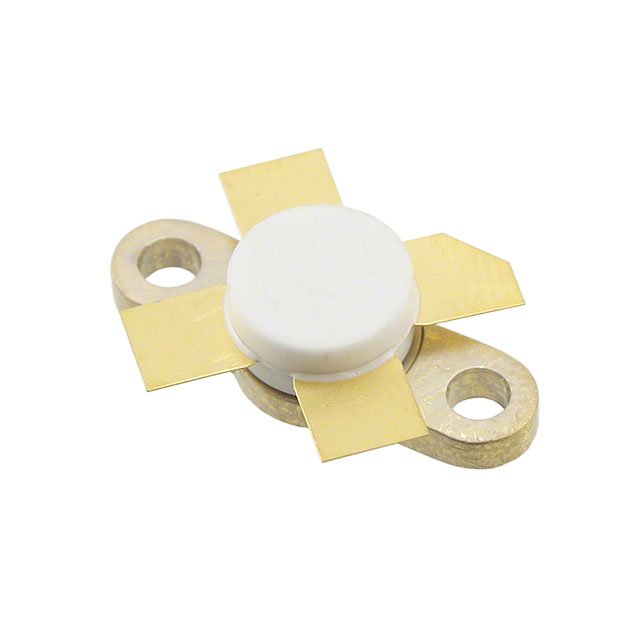
|
| Category | Transistors - Bipolar (BJT) - RF | Transistors - Bipolar (BJT) - RF |
| Manufacturer | Diodes Incorporated | STMicroelectronics |
| Description | RF TRANS NPN 25V 650MHZ SOT23-3 | RF TRANS NPN 16V M113 |
| Package | Tape & Reel (TR) | Box |
| Series | - | - |
| Operating Temperature | -55°C ~ 150°C (TJ) | - |
| Mounting Type | Surface Mount | Surface Mount |
| Package / Case | TO-236-3, SC-59, SOT-23-3 | M113 |
| Supplier Device Package | SOT-23-3 | M113 |
| Gain | - | 9dB |
| Power - Max | 330mW | 70W |
| Transistor Type | NPN | NPN |
| Current - Collector (Ic) (Max) | 25mA | 8A |
| Voltage - Collector Emitter Breakdown (Max) | 25V | 16V |
| DC Current Gain (hFE) (Min) @ Ic, Vce | 60 @ 4mA, 10V | 20 @ 250mA, 5V |
| Frequency - Transition | 650MHz | - |
| Noise Figure (dB Typ @ f) | 3dB ~ 5dB @ 500MHz | - |
-
1. What makes BJTs suitable for RF applications?
Their ability to operate efficiently at high frequencies, fast switching characteristics, and high gain in specific configurations make them suitable for RF applications.
-
2. What are the typical frequency ranges for RF BJTs?
RF BJTs typically operate in the range of MHz to GHz, depending on their design and specifications.
-
3. How do RF BJTs differ from standard BJTs?
RF BJTs are specifically optimized for high-frequency performance, featuring lower capacitance, faster transition times, and higher gain-bandwidth products compared to standard BJTs.
-
4. What are some common RF BJT packages?
Popular packages include TO-92, SOT-23, and SOT-89, which are designed for compact, low-inductance layouts suited for RF circuits.
