
LM3886TF vs TPA6111A2D
| Part Number |
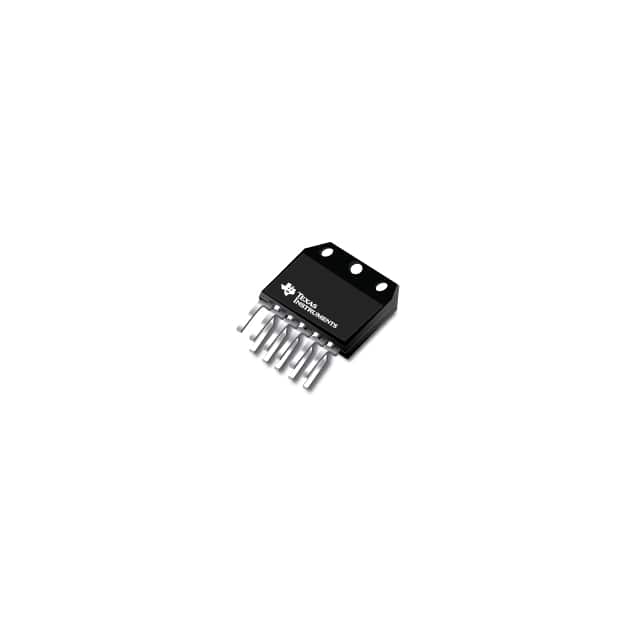
|
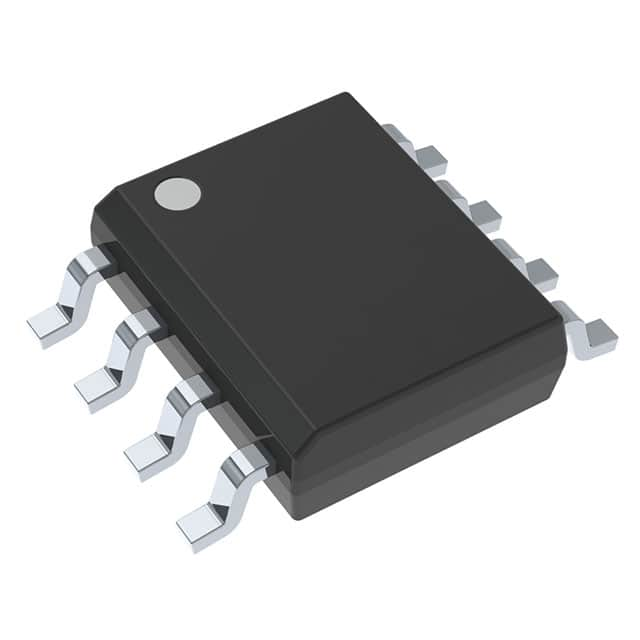
|
| Category | Linear - Amplifiers - Audio | Linear - Amplifiers - Audio |
| Manufacturer | National Semiconductor | Texas Instruments |
| Description | LM3886 68W, 1 CH, 20-94V SUPPLY | IC AMP CLASS AB STER 150MW 8SOIC |
| Package | Bulk | Tube |
| Series | Overture™ | - |
| Type | Class AB | Class AB |
| Features | Mute, Short-Circuit and Thermal Protection | Depop, Short-Circuit and Thermal Protection, Shutdown |
| Voltage - Supply | 20V ~ 84V, ±10V ~ 42V | 2.5V ~ 5.5V |
| Operating Temperature | -20°C ~ 85°C (TA) | -40°C ~ 85°C (TA) |
| Mounting Type | Through Hole | Surface Mount |
| Package / Case | TO-220-11 Isolated Tab, Formed Leads | 8-SOIC (0.154\", 3.90mm Width) |
| Supplier Device Package | TO-220-11 Isolated | 8-SOIC |
| Output Type | 1-Channel (Mono) | Headphones, 2-Channel (Stereo) |
| Max Output Power x Channels @ Load | 68W x 1 @ 4Ohm | 150mW x 2 @ 16Ohm |
-
1. What is a power amplifier and how is it different from an audio amplifier?
A power amplifier is a type of audio amplifier designed to drive high-power loads such as speakers. It is capable of amplifying audio signals to a sufficient power output to drive speakers to produce greater volume.
-
2. How to choose a suitable audio amplifier?
When choosing an audio amplifier, factors such as output power, total harmonic distortion (THD), signal-to-noise ratio (SNR), efficiency, impedance matching (speaker impedance), and power consumption should be taken into consideration to ensure that it is well-matched with the speakers and audio source equipment.
-
3. What is the Total Harmonic Distortion (THD) of an audio amplifier?
Total Harmonic Distortion (THD) is the distortion component introduced by an audio amplifier during the signal amplification process. the lower the THD, the closer the amplified audio signal will be to the original signal, and usually high quality audio amplifiers have a THD value of less than 1%.
-
4. How can I improve the thermal performance of my audio amplifier?
Audio amplifiers generate heat when they operate, especially Class A and Class AB amplifiers. Ways to improve heat dissipation include using a larger heat sink, adding a fan, or using a more efficient Class D amplifier. A good thermal design will improve the performance and life of the amplifier.
