
MCP6292-H/MS vs INA185A3IDRLT
| Part Number |
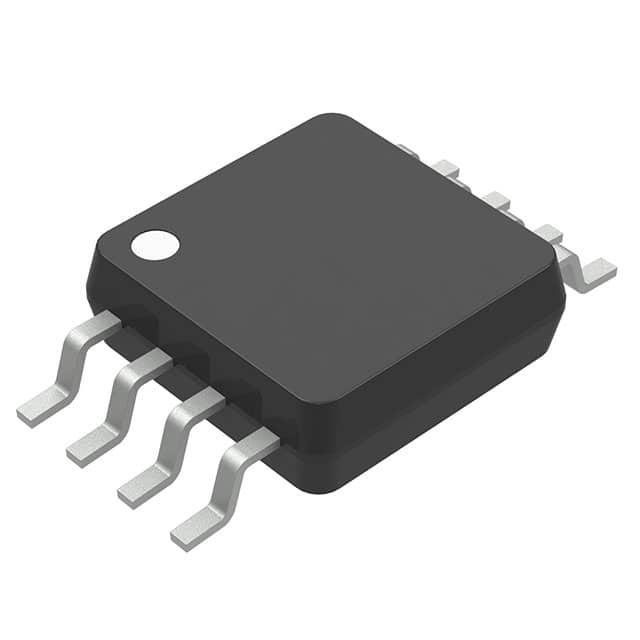
|
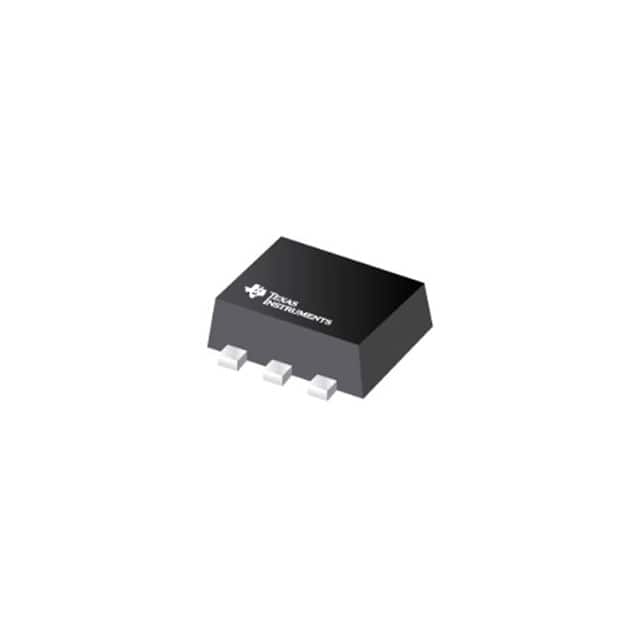
|
| Category | Linear - Amplifiers - Instrumentation, OP Amps, Buffer Amps | Linear - Amplifiers - Instrumentation, OP Amps, Buffer Amps |
| Manufacturer | Microchip Technology | Texas Instruments |
| Description | IC OPAMP GP 2 CIRCUIT 8MSOP | IC CURR SENSE 1 CIRCUIT SOT563 |
| Package | Tape & Reel (TR) | Tape & Reel (TR) |
| Series | - | - |
| Operating Temperature | -40°C ~ 150°C (TA) | -40°C ~ 125°C (TA) |
| Mounting Type | Surface Mount | Surface Mount |
| Package / Case | 8-TSSOP, 8-MSOP (0.118\", 3.00mm Width) | SOT-563, SOT-666 |
| Supplier Device Package | 8-MSOP | SOT-563 |
| Current - Supply | 1mA (x2 Channels) | 200µA |
| Output Type | Rail-to-Rail | Rail-to-Rail |
| Number of Circuits | 2 | 1 |
| Voltage - Supply, Single/Dual (±) | 2.4V ~ 6V | 2.7V ~ 5.5V |
| Current - Output / Channel | 25 mA | - |
| -3db Bandwidth | - | - |
| Amplifier Type | General Purpose | Current Sense |
| Current - Input Bias | 1 pA | 75 µA |
| Voltage - Input Offset | 3 mV | 25 µV |
| Slew Rate | 7V/µs | 2V/µs |
| Gain Bandwidth Product | 10 MHz | 150 kHz |
-
1. What is the difference between an instrumentation amplifier and an operational amplifier?
Instrumentation amplifiers integrate multi-stage operational amplifiers for precise amplification of differential signals, while operational amplifiers are more versatile and can perform a wide range of analog signal processing tasks. Instrumentation amplifiers have higher input impedance and better common mode rejection.
-
2. What is Common Mode Rejection Ratio (CMRR) and why is it important for instrumentation amplifiers?
CMRR indicates an instrumentation amplifier's ability to suppress common mode signals, with higher values being better. A high CMRR is especially important in noisy environments to ensure that the amplifier primarily amplifies differential signals and is not affected by common mode interference.
-
3. What are the main application scenarios of Op Amps?
Operational amplifiers are widely used in signal conditioning, voltage follower, filter, comparator, integrator, differentiator, precision level shifter and other circuits, which are widely used in consumer electronics, industrial automation, and instrumentation.
-
4. What is a rail-to-rail operational amplifier and what are its advantages?
Rail-to-rail op amps are capable of extending the output voltage range to the limit of the supply voltage (i.e., the “rail”), allowing them to handle large dynamic range signals even at low supply voltages, making them particularly suitable for low-voltage power supply systems and portable devices.
