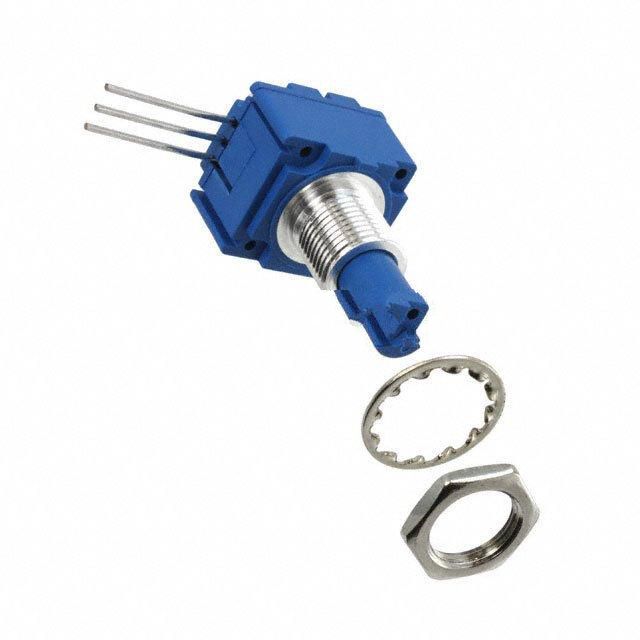
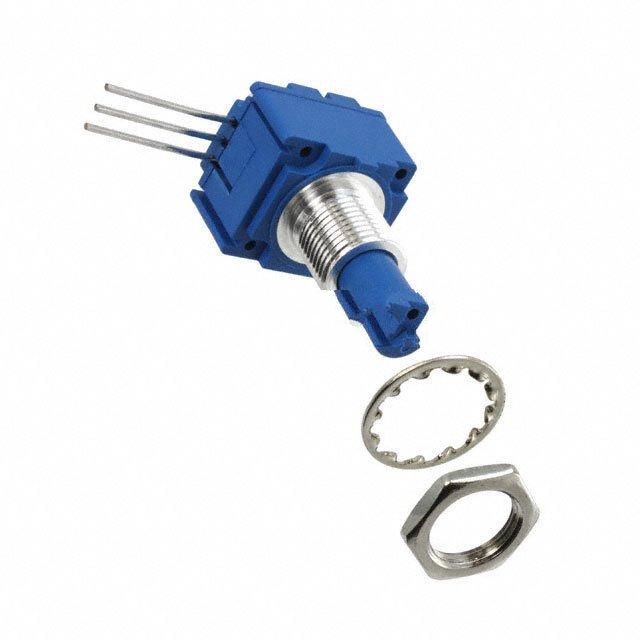
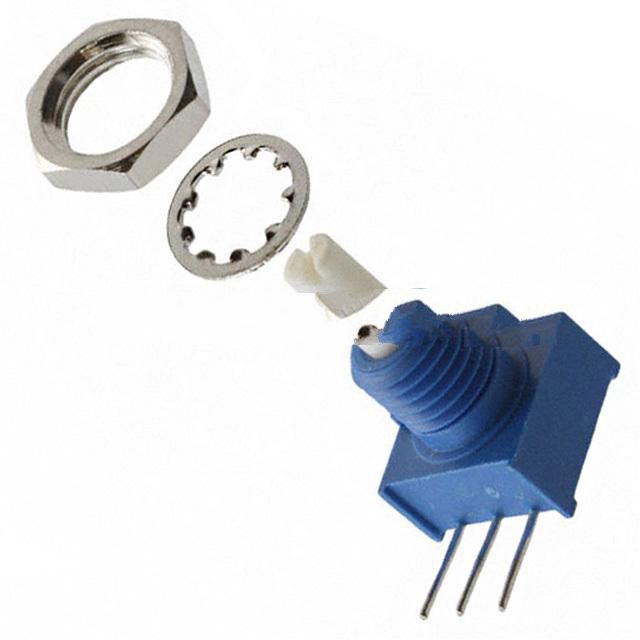
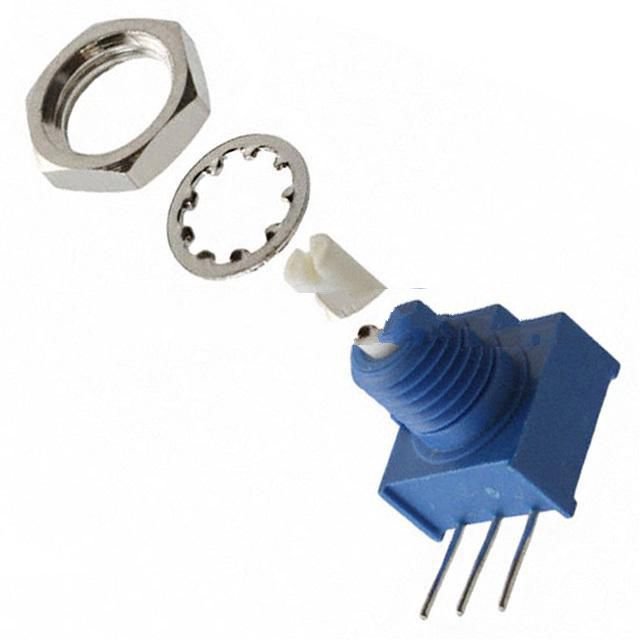
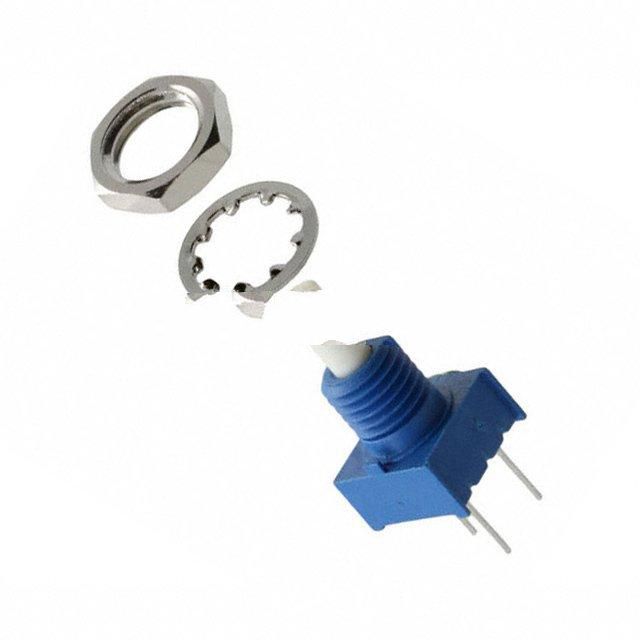
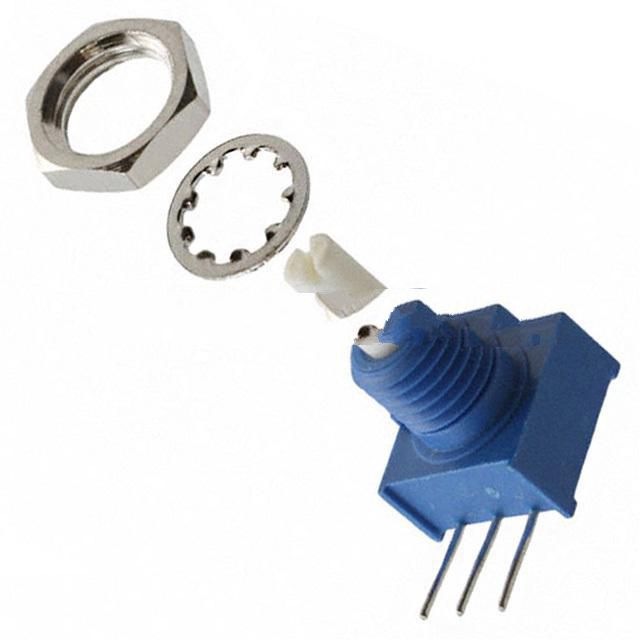
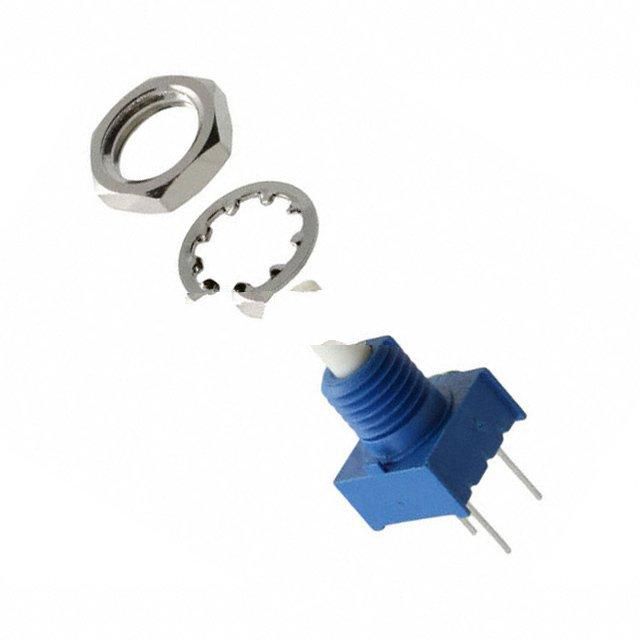
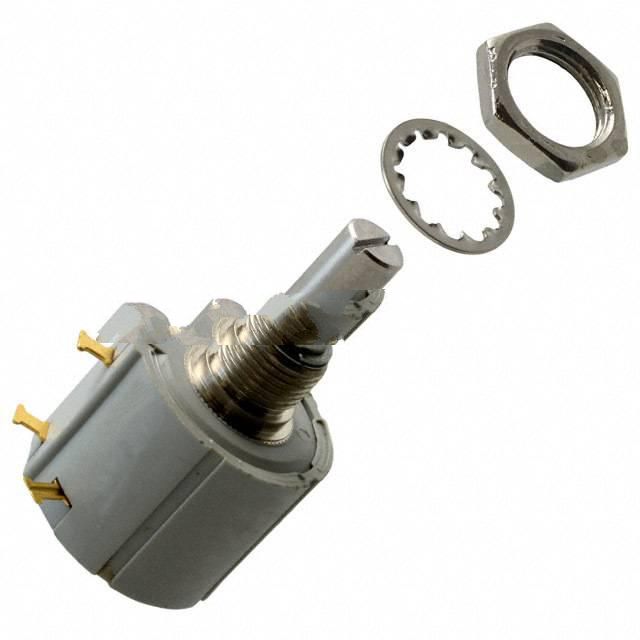
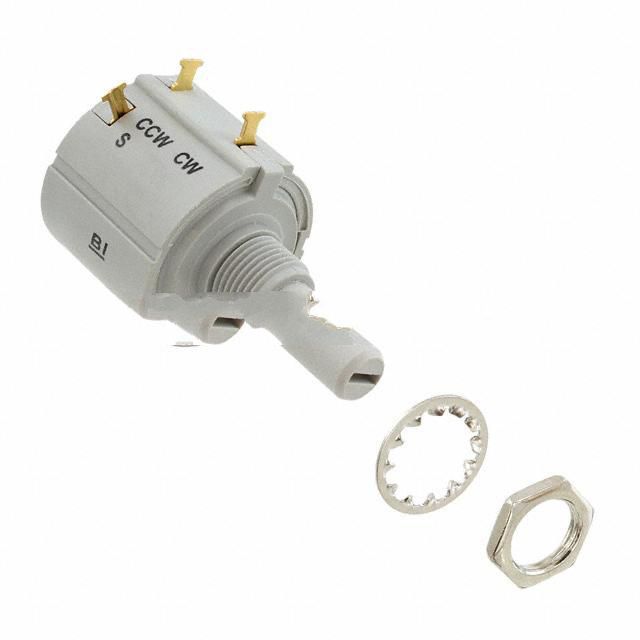
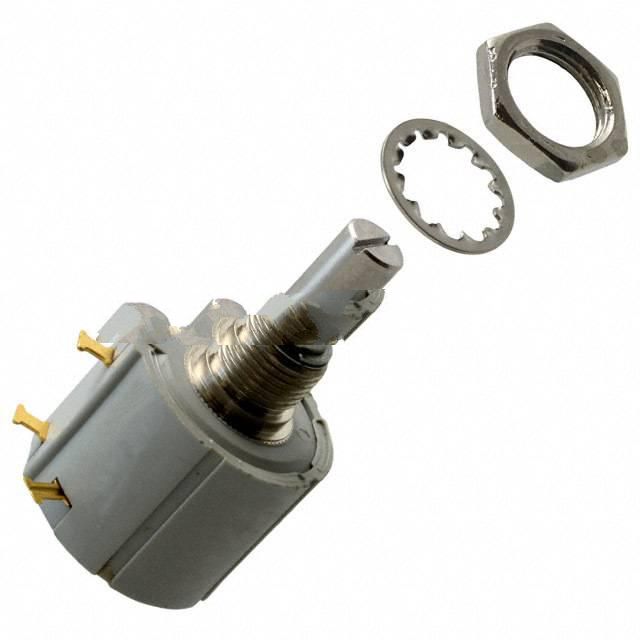
TT Electronics/BI P260P-D1BS3CB100K
- P260P-D1BS3CB100K
- TT Electronics/BI
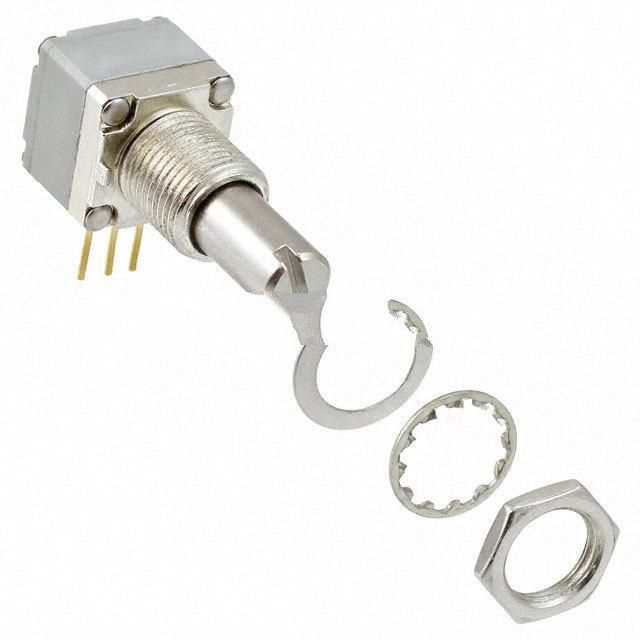
- POT 100K OHM 1/2W PLASTIC LINEAR
- Rotary Potentiometers, Rheostats
- P260P-D1BS3CB100K Datasheet
- -
- -
-
Lead free / RoHS Compliant - 4148
- Spot Inventory / Athorized Dstributor / Factory Excess Stock
- 1 year quality assurance 》
- Click to get rates
What is P260P-D1BS3CB100K
TT Electronics/BI Part Number P260P-D1BS3CB100K(Rotary Potentiometers, Rheostats), developed and manufactured by TT Electronics/BI, distributed globally by Jinftry. We distribute various electronic components from world-renowned brands and provide one-stop services, making us a trusted global electronic component distributor.
P260P-D1BS3CB100K is one of the part numbers distributed by Jinftry, and you can learn about its specifications/configurations, package/case, Datasheet, and other information here. Electronic components are affected by supply and demand, and prices fluctuate frequently. If you have a demand, please do not hesitate to send us an RFQ or email us immediately [email protected] Please inquire about the real-time unit price, Data Code, Lead time, payment terms, and any other information you would like to know. We will do our best to provide you with a quotation and reply as soon as possible.
P260P-D1BS3CB100K Specifications
- Part NumberP260P-D1BS3CB100K
- CategoryRotary Potentiometers, Rheostats
- ManufacturerTT Electronics/BI
- DescriptionPOT 100K OHM 1/2W PLASTIC LINEAR
- Package-
- SeriesP260
- Mounting TypePanel Mount
- Tolerance±10%
- Power (Watts)0.5W, 1/2W
- TaperLinear
- Resistance (Ohms)100k
- Actuator TypeSlotted
- Termination StylePC Pins
- Adjustment TypeSide Adjustment
- Number of Gangs1
- Built in SwitchNone
- Number of Turns1
- Rotation295°
- Resistive MaterialConductive Plastic
- Actuator Length0.787" (20.00mm)
- Actuator Diameter0.250" (6.35mm)
- Bushing Thread3/8-32
Application of P260P-D1BS3CB100K
P260P-D1BS3CB100K Datasheet
P260P-D1BS3CB100K Datasheet , P260,Panel Mount,±10%,0.5W, 1/2W,Linear,100k,Slotted,PC Pins,Side Adjustment,1,None,1,295°,Conductive Plastic,0.787" (20.00mm),0.250" (6.35mm),3/8-32
P260P-D1BS3CB100K Classification
Rotary Potentiometers, Rheostats
FAQ about Rotary Potentiometers, Rheostats
-
1. What are potentiometers and rheostats?
Potentiometers and rheostats are two different electronic components that differ in structure, working principle, and application scenarios.
Potentiometer
A potentiometer is a component that can adjust the size of resistance in a circuit. It usually consists of a resistor body and a movable brush. The potentiometer has three pins: a middle contact pin and two fixed end pins. By rotating or sliding the brush, the resistance value between the middle contact and the two ends can be changed, thereby adjusting the voltage and current in the circuit. Potentiometers are widely used in various electronic devices, such as televisions, audio equipment, computer mice, etc., to adjust parameters such as bias voltage and volume.
Rheostat
A variable resistor, also known as a voltage regulator, is mainly composed of a resistor wire or resistor sheet with adjustable resistance, a knob, and two fixed ends. By rotating the knob, the resistance value of the resistor wire or resistor sheet can be changed, thereby adjusting parameters such as current, voltage, or power in the circuit. Rheostats are usually used in situations where circuit parameters need to be adjusted frequently, such as audio debugging, brightness adjustment, etc.
What is a rotary potentiometer?
A rotary potentiometer is a potentiometer that changes the resistance value by rotating the adjustment button. It consists of a rotating shaft, an annular groove of conductive material on the rotating shaft, two endpoints and an adjustable contact. When the rotating shaft rotates, the adjustable contact contacts on different annular grooves accordingly, thereby changing the resistance value.
Application scenarios and functions of rotary potentiometers
Rotary potentiometers are widely used in various electronic devices, mainly for voltage division, current control and resistance change. It can adjust the resistance value by rotation and is widely used in volume control, brightness adjustment, contrast adjustment and other scenarios. In addition, rotary potentiometers also have single-turn and multi-turn versions, and the multi-turn version provides a finer degree of adjustment.
-
2. What are the advantages of potentiometers over rheostats?
Potentiometers have the following advantages over rheostats:
Lower price: Due to the relatively complex structure of the potentiometer, its price is relatively low, which is suitable for cost-sensitive or space-constrained applications.
Wide range of applications: Potentiometers are widely used in various electronic devices and circuits, such as televisions, audio equipment, computer mice, etc., while rheostats are mainly used in circuits that require continuous adjustment of resistance values, such as audio amplifiers, signal generators, etc.
Versatility: In addition to the function of adjusting the resistance value, potentiometers also have functions such as voltage division, current shunting, filtering, etc., while rheostats mainly play the role of adjusting the resistance value.
Higher durability: The service life of potentiometers is relatively long because the contact between its knob or switch and the resistor body is achieved mechanically, with less wear.
Small size: Potentiometers are usually made of thin film (such as carbon film) resistors, which are small in size and suitable for applications with limited space. -
3. What is the main difference between a potentiometer and a resistor?
The main difference between a potentiometer and a resistor lies in their structure, purpose and working principle.
Structure and appearance
Potentiometer: A potentiometer is an adjustment device consisting of a fixed resistor and a sliding contact. It usually consists of a rotating or sliding operating device and a fixed resistance band. The operating device can change the contact position between the contact and the fixed resistor by manual rotation or sliding, thereby changing the resistance value.
Resistors: A resistor is a component consisting of a fixed resistance material. It is usually made of conductive materials such as metal wire or carbon film, which are wrapped in an insulator. There are leads at both ends of the resistor for connection.
We are a professional PCB manufacturer who offers comprehensive PCB manufacturing services including: professional Ceramic PCB HDI PCB Heavy Copper PCB High-TG PCB High Speed PCB High Frequency PCB Metal Core PCB PCB fabrication and PCB assembly, providing fast turnaround prototypes for high-end products.
• Prompt Responsiveness
• Guaranteed Quality
• Global Access
• Competitive Market Price
• One-Stop support services of supply chain
Jinftry, Your most trustworthy component supplier, welcome to send us the inquiry, thank you!
Do you have any questions about P260P-D1BS3CB100K ?
Feel free to contact us: